Examples
See what AI can create. Each example shows the prompt and its live output.
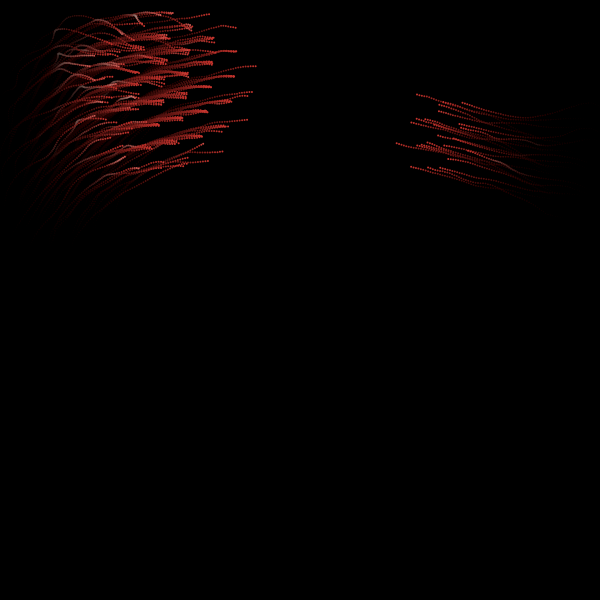
Create a boids flocking simulation with fading trails — hundreds of particles following separation, alignment, and cohesion rules, swirling like a flock of starlings at dusk.
Murmuration
p5.jsBoids flocking with separation, alignment, and cohesion. Each bird leaves a fading trail, creating emergent order from three simple rules.
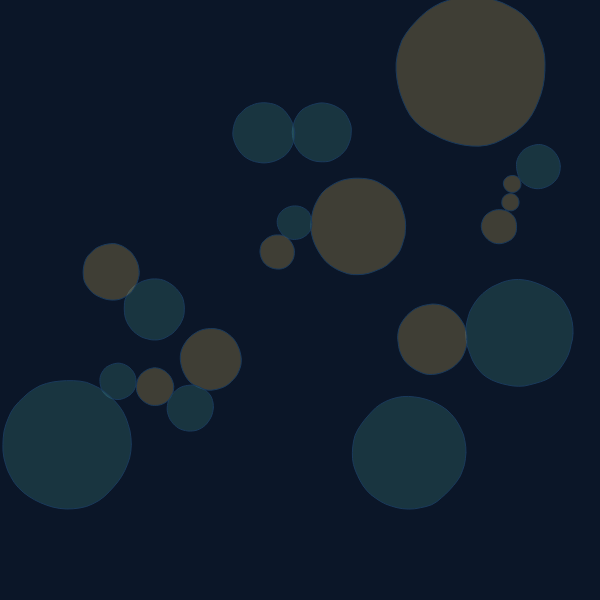
Simulate organisms in a tidal rock pool — circles growing outward from random points, modulated by Perlin noise, stopping when they collide. Translucent, layered, aquatic palette.
Tide Pool
p5.jsPerlin-noise-modulated circle growth with collision detection. Organisms compete for space, creating a dense, translucent tidal composition.
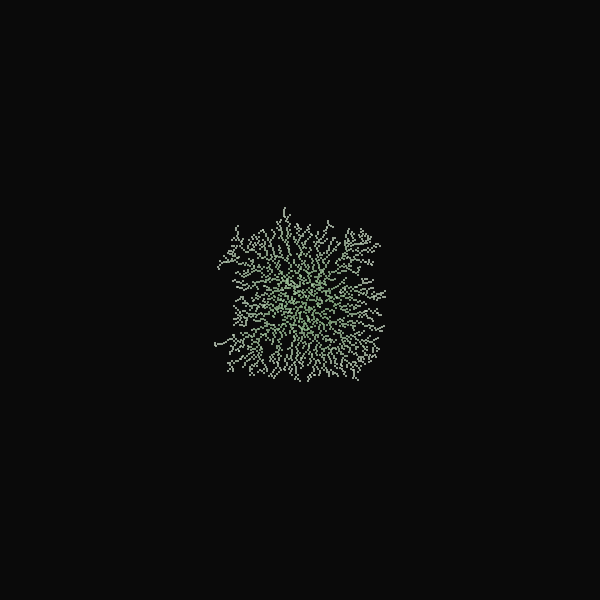
Create a diffusion-limited aggregation (DLA) simulation — random walkers that stick to an existing structure, building fractal crystal-like growth from a single seed point.
Lichen
p5.jsDiffusion-limited aggregation: random walkers drift until they touch the growing structure and freeze in place. Fractal, patient, irreversible.
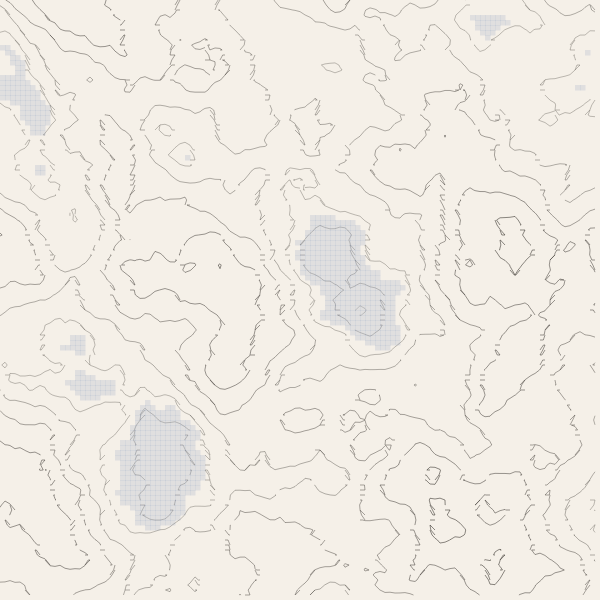
Generate a geological survey map — a multi-octave noise heightmap with simulated water erosion and contour lines. Earthy, cartographic palette, scientific aesthetic.
Erosion
Canvas 2DMulti-octave Perlin noise heightmap with simulated water droplet erosion and contour line extraction. A fictional landscape survey.
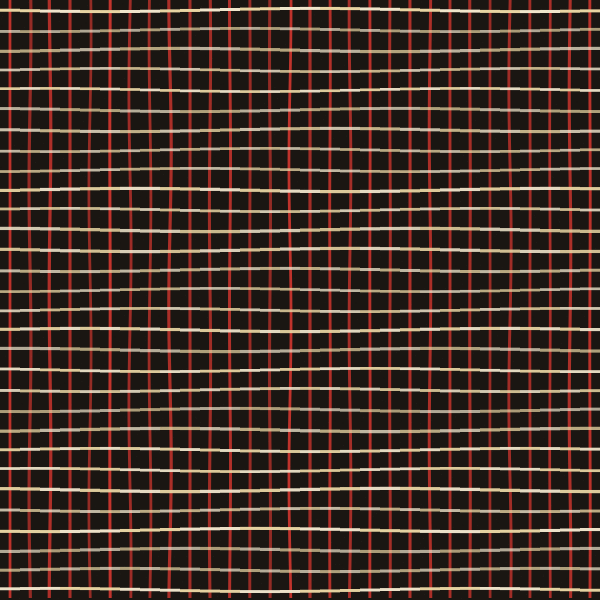
Simulate a handwoven textile — interlocking warp and weft threads with subtle variation in spacing and thickness. Each thread has character; the whole has structure.
Textile
Canvas 2DSimulated warp/weft weave with pattern variation. Thread spacing, width, and color shift create the illusion of handwoven fabric.
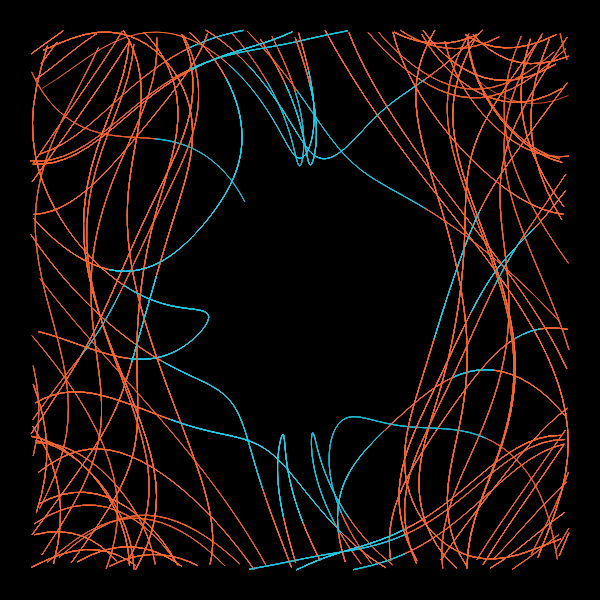
Explore the phase space of a double pendulum — plot the trajectory in angle-angle space using RK4 numerical integration. Reveal the chaotic attractor that emerges over time.
Phase Space
Canvas 2DDouble pendulum trajectory plotted in angle-angle phase space using RK4 integration. A deterministic system that never repeats.
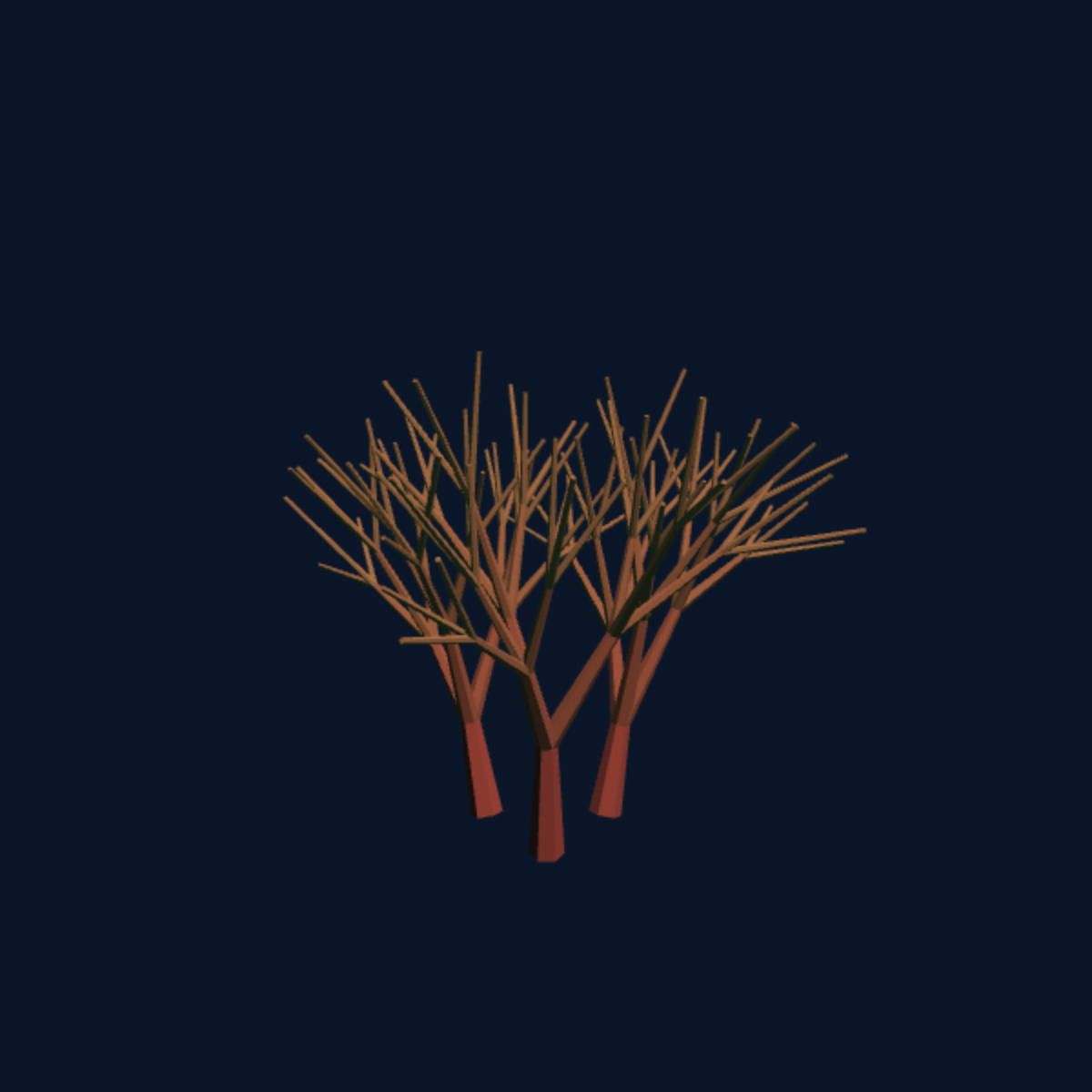
Create a 3D coral reef — L-system branching with randomized angles and underwater lighting. Each branch is a decision; the whole is a living architecture.
Coral
Three.jsL-system branching in 3D with randomized angles. Directional lighting and warm-to-cool color gradients create depth.
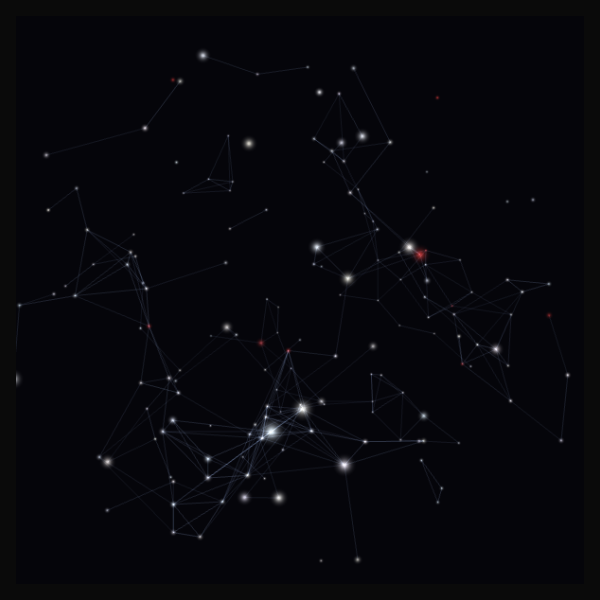
Create a slowly orbiting star field — points distributed on a sphere with proximity-based edge connections. The human instinct to connect scattered points into meaning.
Constellation
Three.jsPoints on a sphere with proximity-based edge connections. Stars orbit slowly, constellation lines form and dissolve.
Animate an origami fold sequence — a flat mesh that sequentially folds along creases, transforming from a sheet into a geometric form. Geometry as transformation.
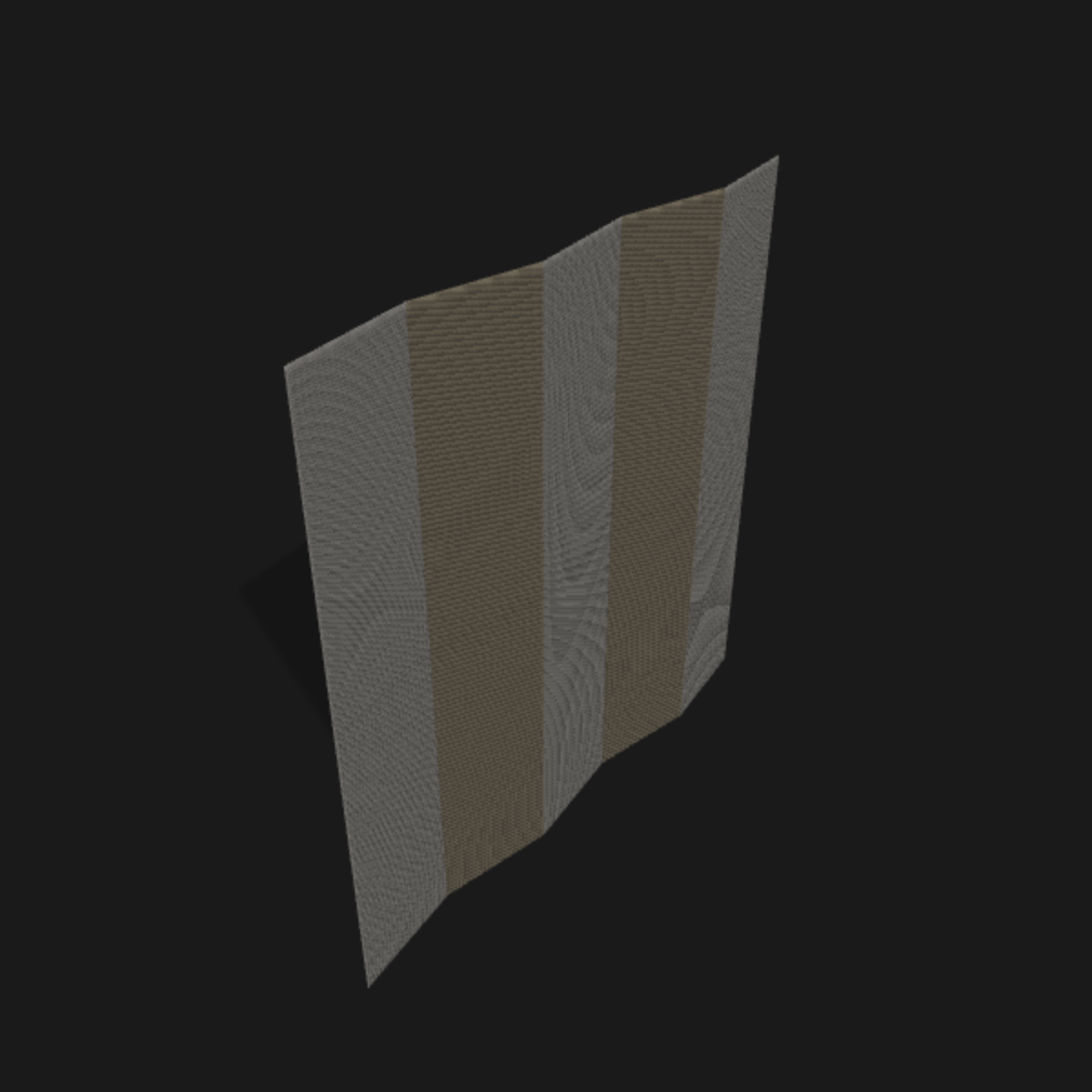
Origami
Three.jsSequential fold transformations on a flat mesh. Each fold rotates vertices around a crease axis, building complexity from flatness.
Create a GLSL aurora borealis — multi-octave noise distorted along horizontal bands with additive color blending. Northern lights over a frozen landscape.
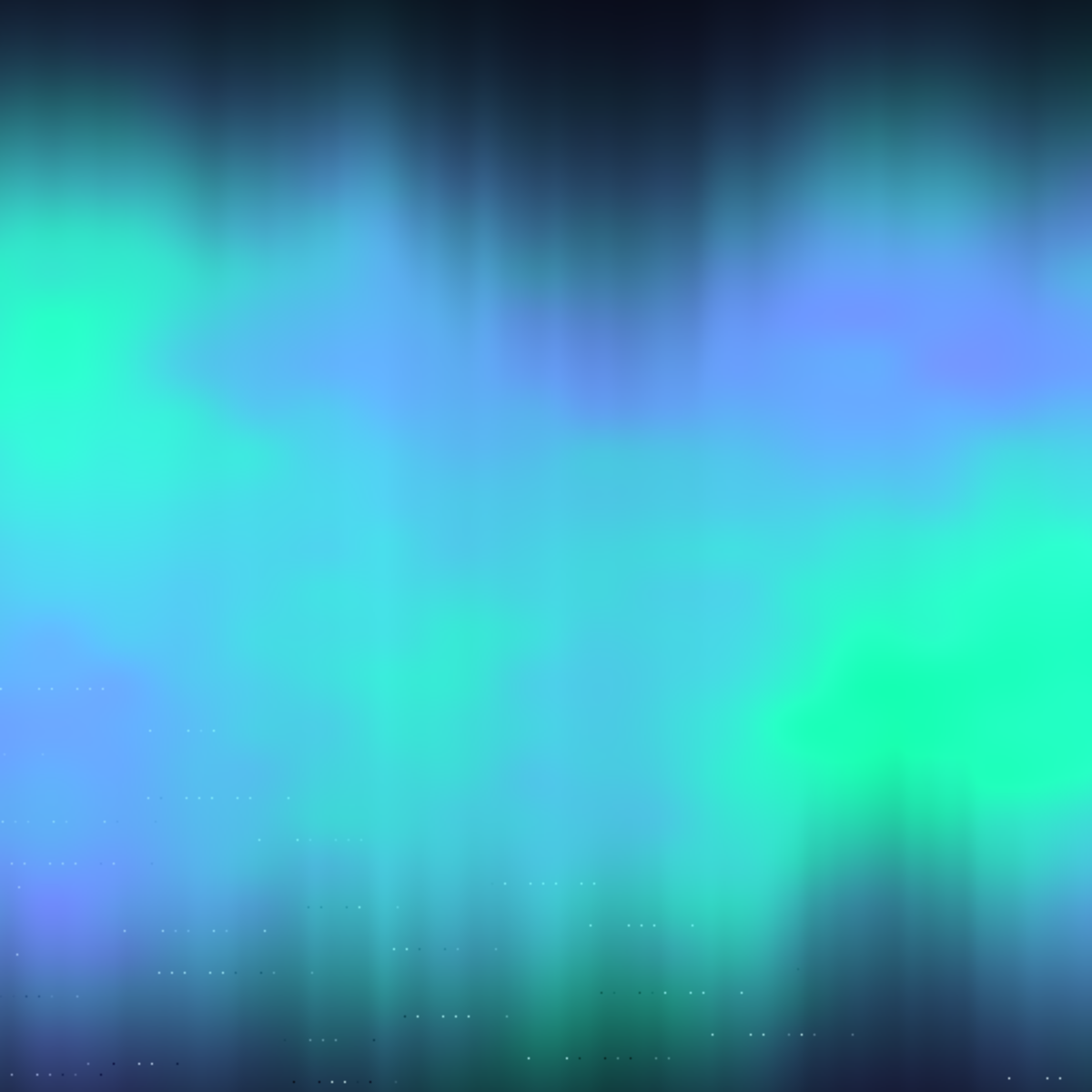
Aurora
GLSLMulti-octave noise curtains with additive blending. Horizontal bands of light undulate and shift, mimicking auroral dynamics.
Create a GLSL mycelium network — Voronoi distance fields with animated veins along cell boundaries and a pulsing bioluminescent glow. The wood-wide web.
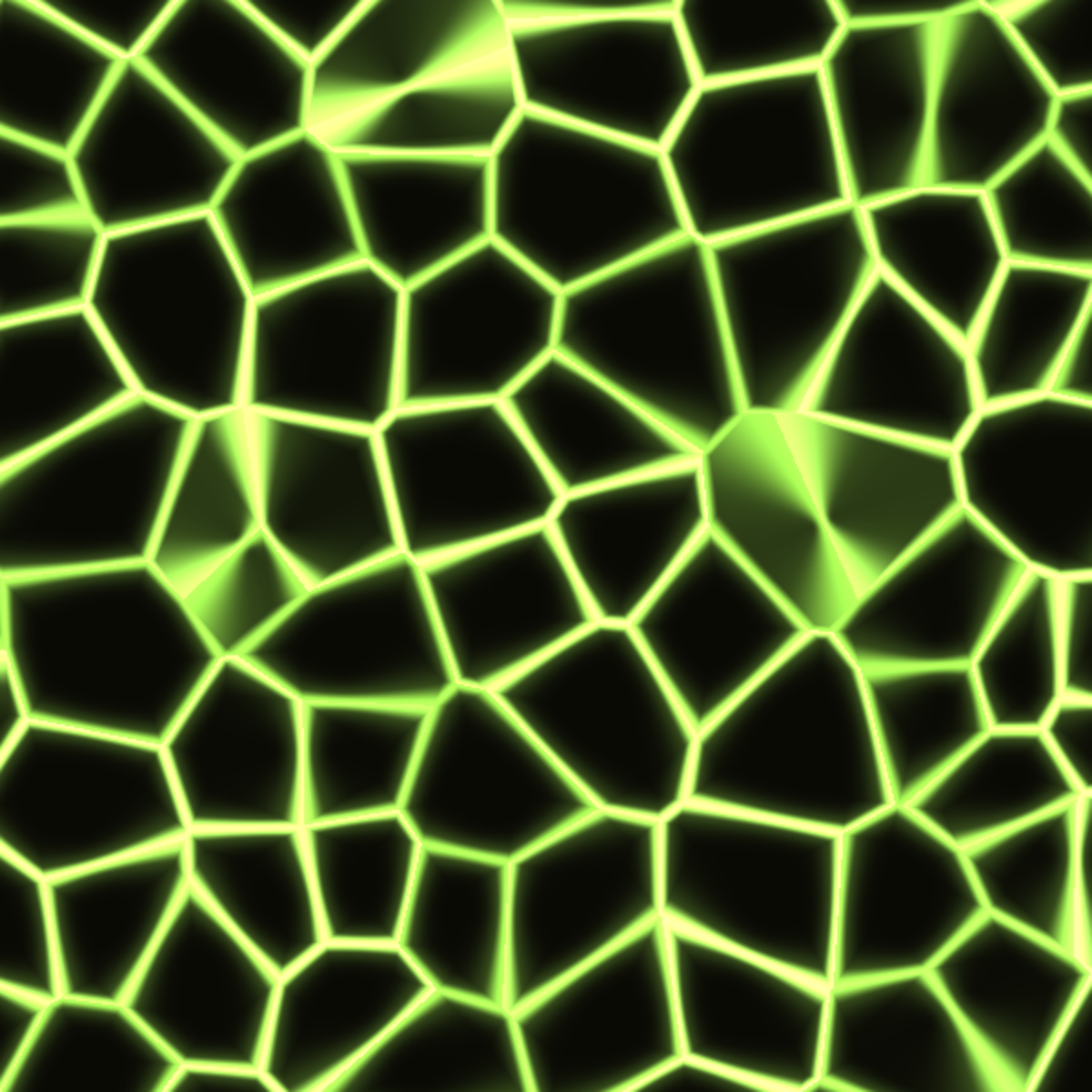
Mycelium
GLSLVoronoi distance field with animated veins along cell boundaries. Pulsing glow simulates nutrient flow through a fungal network.
Create a GLSL wave interference pattern — multiple point sources emitting sine waves that overlap to create moiré patterns. Ripples meeting ripples.
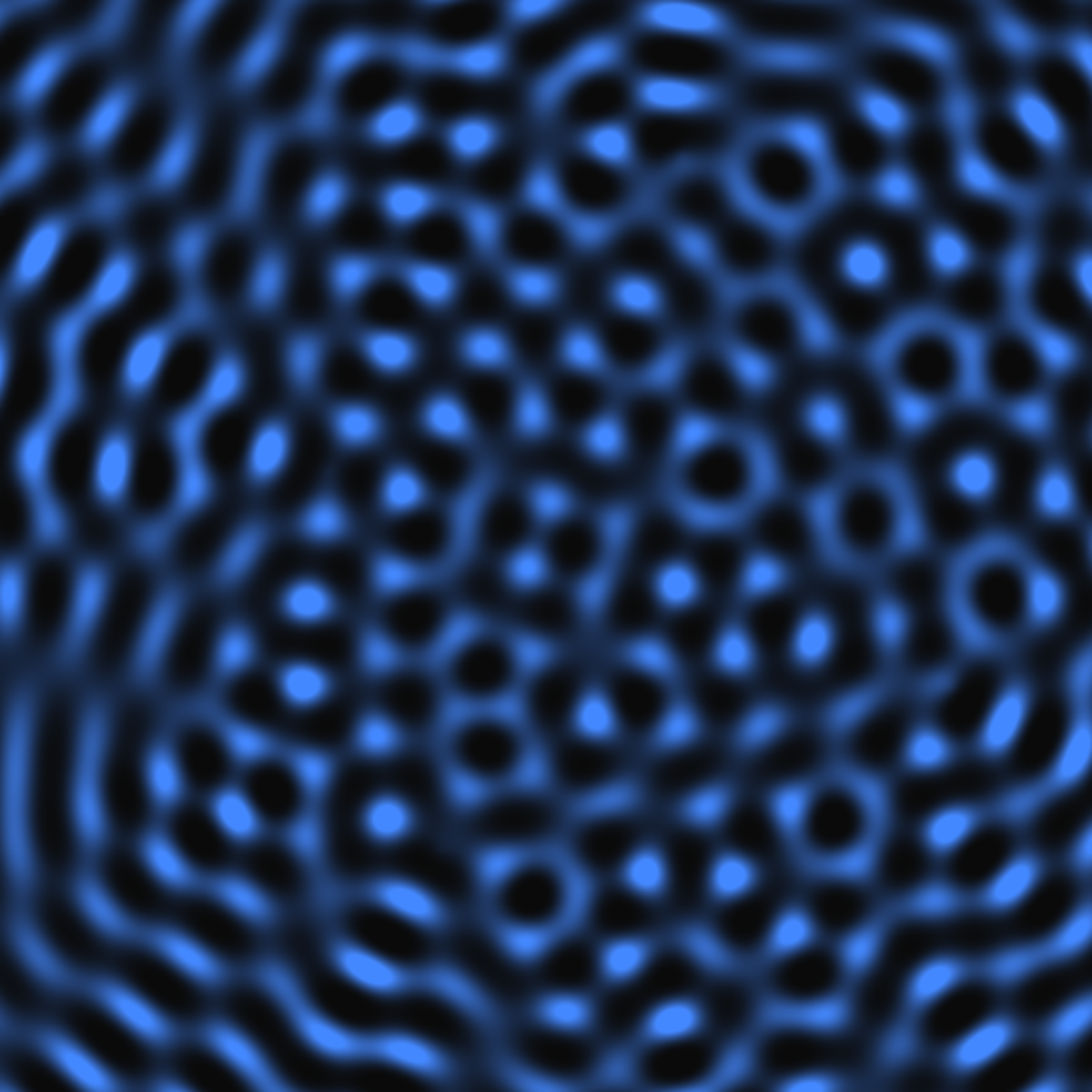
Interference
GLSLMultiple sine wave point sources with additive superposition. Constructive and destructive interference creates evolving moiré patterns.
Generate an SVG cartographic map of fictional islands — noise heightmap thresholded at sea level with concentric contour lines for elevation. Imagined geography.
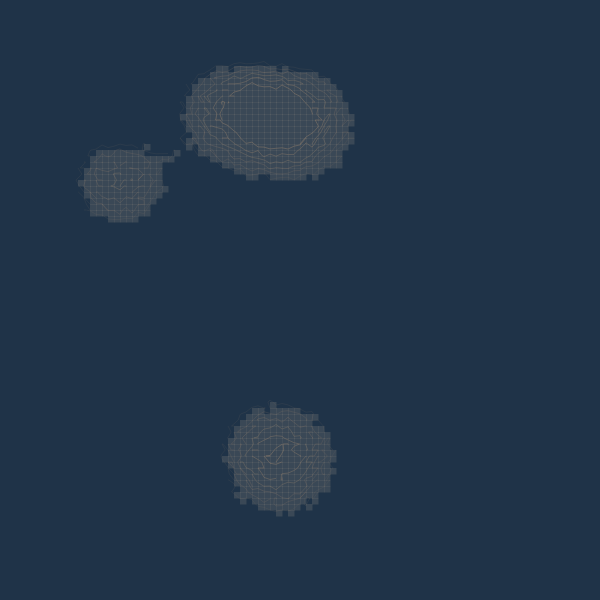
Archipelago
SVGNoise heightmap thresholded at sea level, with concentric contour lines for elevation. A cartographer's map of islands that don't exist.
Apply Bauhaus composition principles — a grid of geometric primitives (circles, rectangles, triangles) placed by seeded RNG. Constraint breeds creativity.
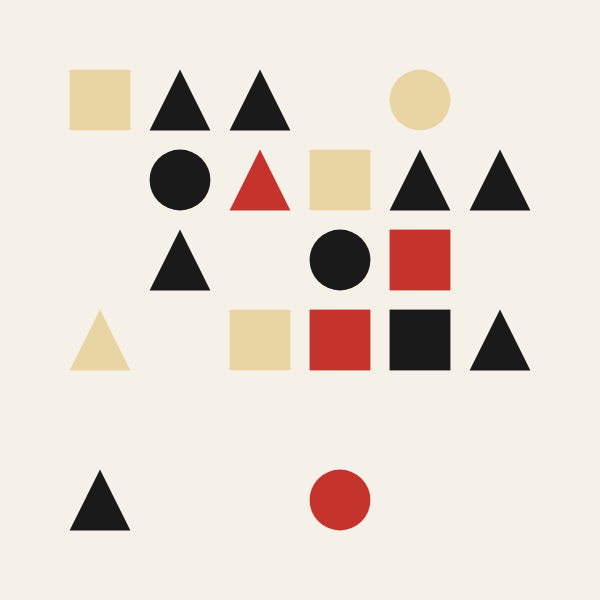
Letterpress
SVGGrid cells filled with geometric primitives by seeded RNG. Systematic composition where constraint breeds creativity.
Create a watercolor landscape using p5.brush — layered hill washes with bleed, soft clouds, and charcoal foreground texture. Atmospheric depth from back to front.
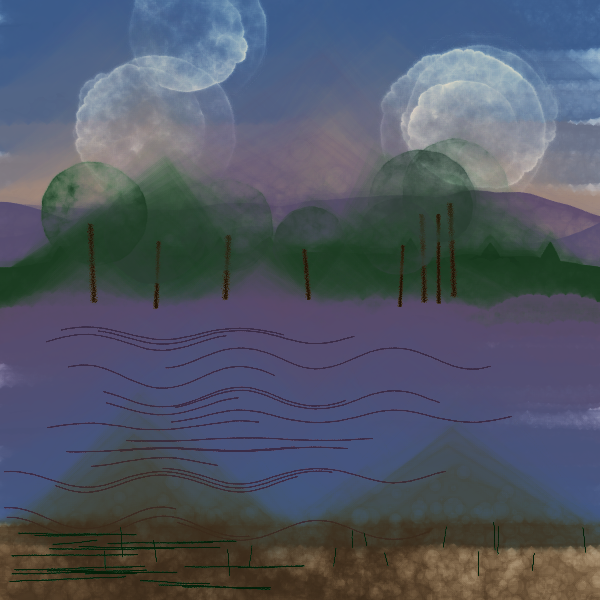
Watercolor Landscape
p5.jsp5.brush watercolor washes create layered hills with natural bleed. Charcoal foreground strokes and soft cloud forms add atmospheric depth.
Draw botanical specimens in pen and watercolor — branching stems with leaves and flowers, using p5.brush pen strokes for outlines and watercolor fills for washes.
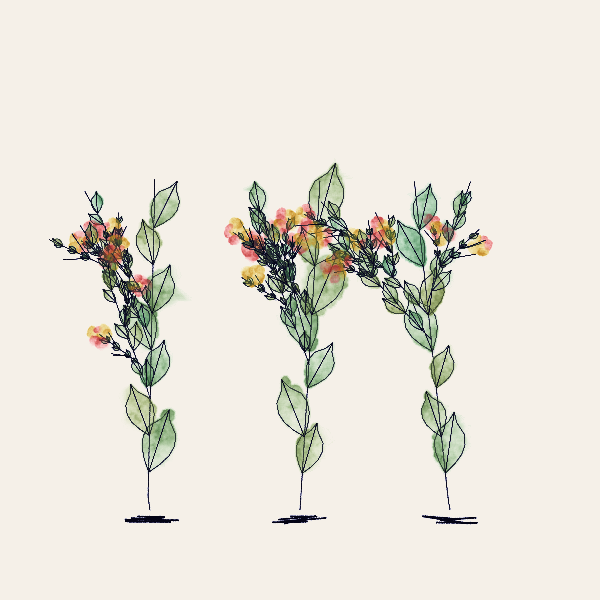
Ink Botanicals
p5.jsRecursive botanical forms drawn with p5.brush pen strokes and watercolor leaf washes. Each seed grows a unique specimen arrangement.
Render a still life of vases, bottles, and bowls using cross-hatching — p5.brush HB pencil hatching at varying angles and densities to create form and shadow.
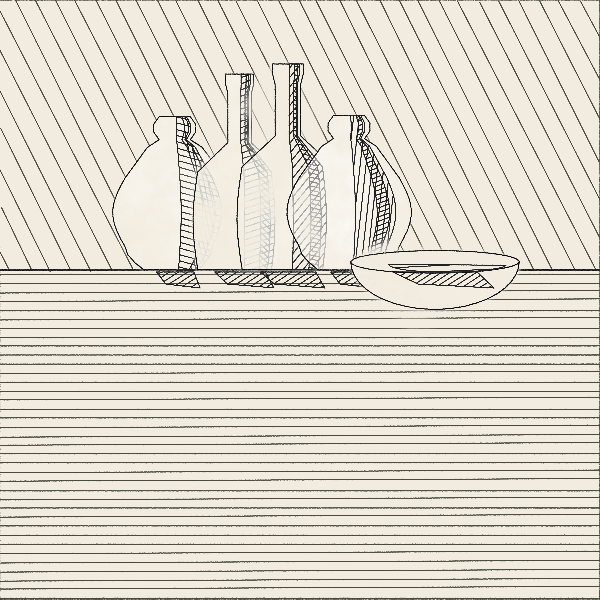
Hatched Still Life
p5.jsCross-hatched still life using p5.brush HB pencil. Varying hatch angle and density build volume and cast shadow on each object.
Create a comprehensive catalog of p5.brush capabilities — all 7 stroke brushes at 3 weights, watercolor fills at varying bleed, and hatching patterns at different spacings and angles.
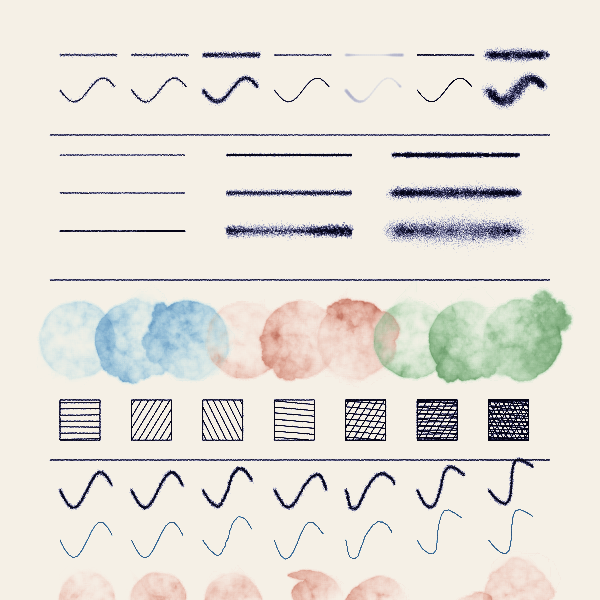
Brush Catalog
p5.jsA systematic catalog of p5.brush: 7 stroke brushes, watercolor fills with bleed control, and hatching at varying density and angle.